We got it.
Thank you for contacting us.
We’ll get back to you as soon as possible.
Thank you for contacting us.
We’ll get back to you as soon as possible.
We got it.
Year-End Tax Planning for Small Businesses: What to Do Before December 31
By Tracy Cobb • November 5, 2026
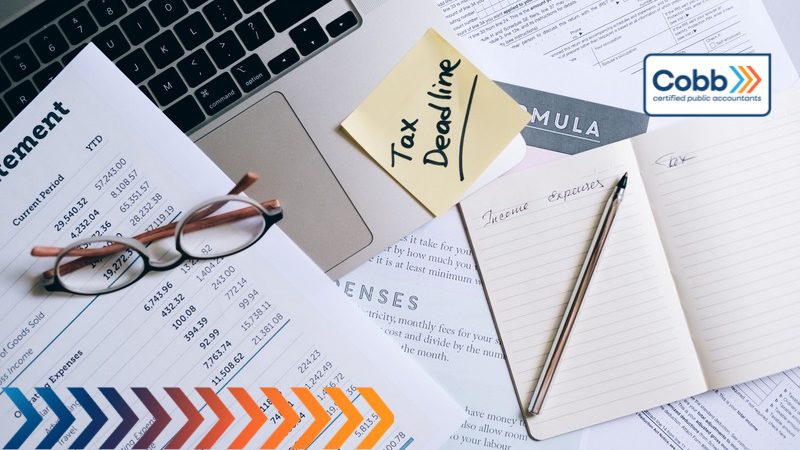
December has a way of sneaking up on founders. You're closing out client work, planning for next year, and trying to enjoy a little time off, and somewhere in the middle of that, your tax window starts to close. Unlike April, when your options are mostly limited to filing accurately, December 31 is the last date many tax-saving moves are even available to you.
So what should you actually do before year-end to reduce your tax bill? Before December 31, founder-led businesses should gather key financial records, decide whether to accelerate deductions or defer income, and confirm upcoming January deadlines. Acting now on prepaid expenses, retirement contributions, and entity structure review can meaningfully lower your 2026 tax bill.
This guide walks through each step as a practical checklist for small business tax strategies in 2026, so you know exactly what to pull together and what to ask your accountant before the ball drops.
Quick Summary: Your Year-End Tax Checklist at a Glance
| Category | What to Do | Why It Matters |
|---|---|---|
| Documents | Gather P&L, balance sheet, payroll, and expense records | Your CPA needs clean numbers to run an accurate tax projection |
| Deductions | Review prepaid expenses, bonuses, retirement contributions, and entity structure | These moves must happen before December 31 to count for this tax year |
| Deadlines | Confirm W-2, 1099, and estimated tax due dates in January | Missing them can trigger penalties regardless of how well you planned |
Documents to Gather Before Your Year-End Tax Meeting
Before you can make smart decisions about deductions or deferrals, your CPA needs a clear, accurate picture of where your business actually stands. Pulling these documents together now sets up a more productive year-end conversation and avoids a scramble in January.
What Financial Statements Should You Pull Together?
Start with your current-year profit and loss statement, balance sheet, and cash flow statement. These three reports form the backbone of any year-end tax projection and reveal whether you're on track to owe more or less than expected.
What Payroll and Contractor Records Do You Need?
Collect payroll summaries, year-to-date wage reports, and documentation for any contractors you've paid throughout the year. If you're unsure whether a contractor crosses the 1099 threshold in 2026, this is the time to confirm it with your CPA rather than guessing at filing time.
What Expense and Receipt Documentation Should You Organize?
Gather receipts for major purchases, business mileage logs, home office expenses, and any charitable contributions made on behalf of the business. Clean recordkeeping and documentation here directly supports the deductions you claim and protects you if the IRS ever asks questions.
Deductions and Moves to Review Before December 31
Once your documents are in order, the real strategy work begins. These are the moves that actually change your tax outcome, and most of them are only available while the calendar still reads "this year."
Should You Prepay Expenses Before Year End?
Prepaying certain expenses, like rent, insurance premiums, or recurring vendor contracts, can accelerate deductions into the current tax year. This is one of the simplest end-of-year tax moves for business owners because it doesn't change how you run your business, only when you pay for things you were already planning to buy.
How Do You Decide Whether to Defer Income to Next Year?
If you expect to be in a lower tax bracket next year, or you simply want to smooth out income between two years, delaying December invoices into January can defer income to next year and reduce your current tax liability. This works best for cash-basis businesses with some control over invoice timing, so talk through your specific situation before assuming it applies to you.
Should You Issue Year-End Bonuses or Fund Retirement Contributions?
Year-end bonuses and retirement contributions are two of the most reliable ways to lower business taxes before year end while also rewarding your team. Review your options for year-end retirement contributions for business owners, including SEP IRAs and solo 401(k)s, since many allow funding up until your filing deadline but require the plan itself to be established before December 31.
Is It Time for an Entity Structure Review?
An entity structure review matters most for businesses organized as S corporations, since the IRS pays close attention to how owner compensation is set. If you haven't done an S corp reasonable salary year-end review, this is the moment to confirm your salary reflects market rates and that your QBI deduction in 2026 calculation still makes sense under current rules.
What Other Write-Offs Deserve a Second Look?
Don't overlook inventory write-downs for obsolete or damaged stock, a bad debt deduction for invoices you're confident you'll never collect, and tax-loss harvesting if you hold business investments that have lost value. Each one can meaningfully reduce taxable income when applied correctly. Note that several provisions shifted under the One Big Beautiful Bill tax changes for small businesses, so confirm current limits with a trusted CPA like us at Cobb CPA rather than relying on prior-year figures.
Deadlines Going Into January
Year-end planning doesn't stop when the clock strikes midnight on December 31. A handful of deadlines land in the first few weeks of January, and missing them can undo the benefit of everything you just accomplished.
When Are W-2 and 1099 Forms Due?
W-2s and most 1099 forms are generally due to recipients and the IRS by January 31. Build this into your calendar now, since it often arrives faster than business owners expect once the holidays wrap up.
When Is Your Next Estimated Tax Payment Due?
If your business makes quarterly estimated tax payments, your Q4 payment is typically due in mid-January. This is also a good checkpoint to revisit your full-year tax projection and confirm you haven't under- or overpaid.
What Should You Confirm With Your CPA Before Filing Season Begins?
Before filing season ramps up, confirm your bookkeeping is closed out, your entity structure decisions are finalized, and any retirement plan documentation is complete. Accurate and timely recordkeeping remains one of the most common factors separating smooth filings from drawn-out ones.
Frequently Asked Questions
How much can year-end tax planning actually save a small business?
Savings vary widely depending on your entity structure, income level, and which strategies apply to you, but founders who act before December 31 typically have far more options than those who wait until filing season. A CPA can model your specific numbers to give you a realistic estimate.
What happens if I miss the December 31 deadline for these strategies?
Most of the moves covered here, like prepaying expenses or funding certain retirement plans, are only available within the current tax year, so missing the deadline generally means waiting until next December to use them. Some options, like SEP IRA contributions, can still be made up until your filing deadline even after year-end.
Do these strategies apply to all business structures, or just S corporations?
While some strategies, like the S corp reasonable salary review, apply specifically to S corporations, most moves on this checklist, including prepaid expenses, deferred income, and retirement contributions, apply broadly across sole proprietorships, partnerships, and corporations. Your specific entity structure will determine which combination makes the most sense.
Make Year-End Planning Part of Your Operating Rhythm
Year-end tax planning for small business owners isn't a once-a-year scramble. It's a checkpoint that, done well, connects directly to how you price, hire, and plan growth for the year ahead. The founders who come out ahead every December are the ones who treat this as a working session with their CPA, not a last-minute filing exercise.
If you're reading this list and feeling unsure which moves apply to your situation, that's completely normal. Tax strategy touches entity structure, payroll, retirement planning, and more, and the right combination looks different for every business. If you want a second set of eyes on your numbers before December 31, reach out to our team at Cobb CPA. We'd rather help you plan now than help you explain a missed opportunity in April.
Disclaimer: The information provided in this post is for general educational and informational purposes only. It does not constitute professional financial, tax, or legal advice. Because tax laws change and every individual’s financial situation is unique, you should consult with a certified public accountant (CPA) or a qualified financial professional before making any financial decisions or taking action based on this content.
Latest Posts